

Understanding the Germany LFGB Test: Ensuring Food Safety Excellence

In the realm of food safety and compliance, the Germany LFGB test stands as a cornerstone for manufacturers aiming to meet stringent European standards. This essential evaluation process verifies that products, particularly those in contact with food, adhere to rigorous criteria set by German authorities. For businesses dealing in items like cutlery and tableware, undergoing the Germany LFGB test is not just a regulatory requirement but a commitment to consumer health and quality assurance. As global markets demand higher safety benchmarks, understanding this test becomes crucial for exporters and producers alike.
What is LFGB Certification?
LFGB certification refers to the official approval granted under the Lebensmittel- und Futtermittelgesetzbuch (LFGB), Germany's comprehensive food and feed code. This certification ensures that materials and products intended for food contact do not leach harmful substances into foodstuffs, protecting public health. Unlike broader EU regulations, LFGB certification delves deeper into specific chemical analyses, making it a gold standard for German market entry. Companies seeking LFGB certification must demonstrate through laboratory testing that their products meet limits for migration of heavy metals, plasticizers, and other potential contaminants. For instance, stainless steel items like cutlery are scrutinized for nickel and chromium release, ensuring they remain safe even under prolonged exposure to acidic foods.
The process of obtaining LFGB certification involves submitting samples to accredited labs where they are subjected to simulated use conditions, such as immersion in food simulants. Successful certification not only allows market access but also builds consumer trust, as the LFGB label signals compliance with one of the world's toughest food safety frameworks. In 2023 alone, thousands of products received this certification, highlighting its growing importance in international trade.
Navigating German Food Safety Regulations
German food safety regulations form a robust legal backbone that prioritizes prevention over reaction, embedding the principles of the LFGB into everyday manufacturing practices. These regulations encompass everything from raw material selection to final packaging, with a focus on risk assessment for potential hazards like allergens or microbial contamination. For food contact materials, the rules mandate that no component should alter the food's composition, taste, or odor in a harmful way. This is particularly relevant for importers targeting the German market, where non-compliance can lead to product recalls, fines, or bans.
Under German food safety regulations, businesses must maintain detailed documentation of their supply chain, including supplier audits and quality control measures. Statistics from the Federal Office of Consumer Protection and Food Safety (BVL) indicate that over 90% of food-related complaints in Germany stem from contact material issues, underscoring the need for proactive testing. Regulations also evolve with scientific advancements; for example, recent updates address emerging concerns like microplastics in packaging. Adhering to these standards not only mitigates legal risks but also enhances a brand's reputation in a market that values transparency and safety.
Developing LFGB Compliant Products
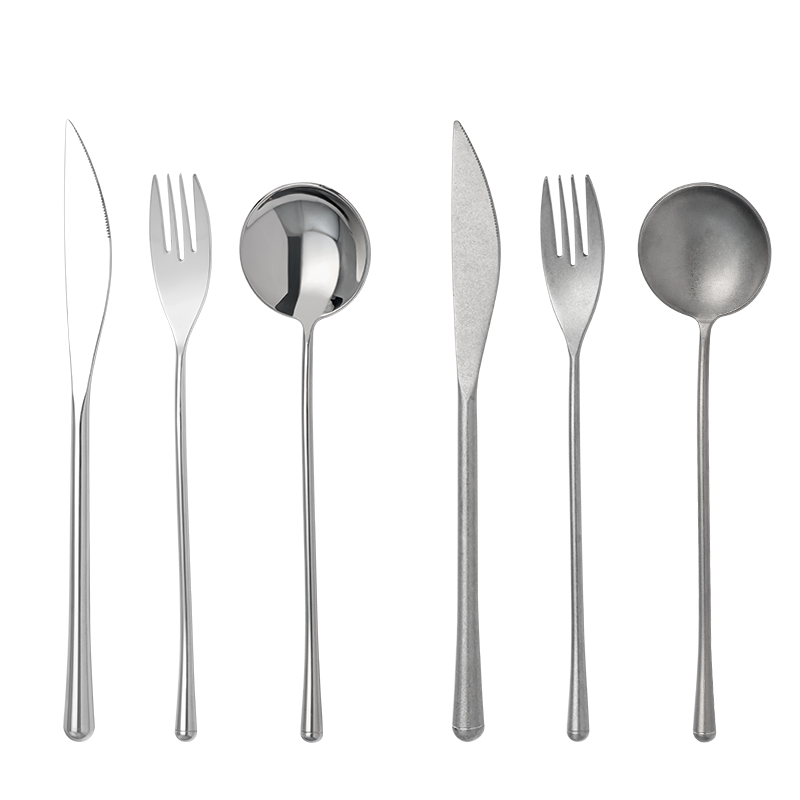
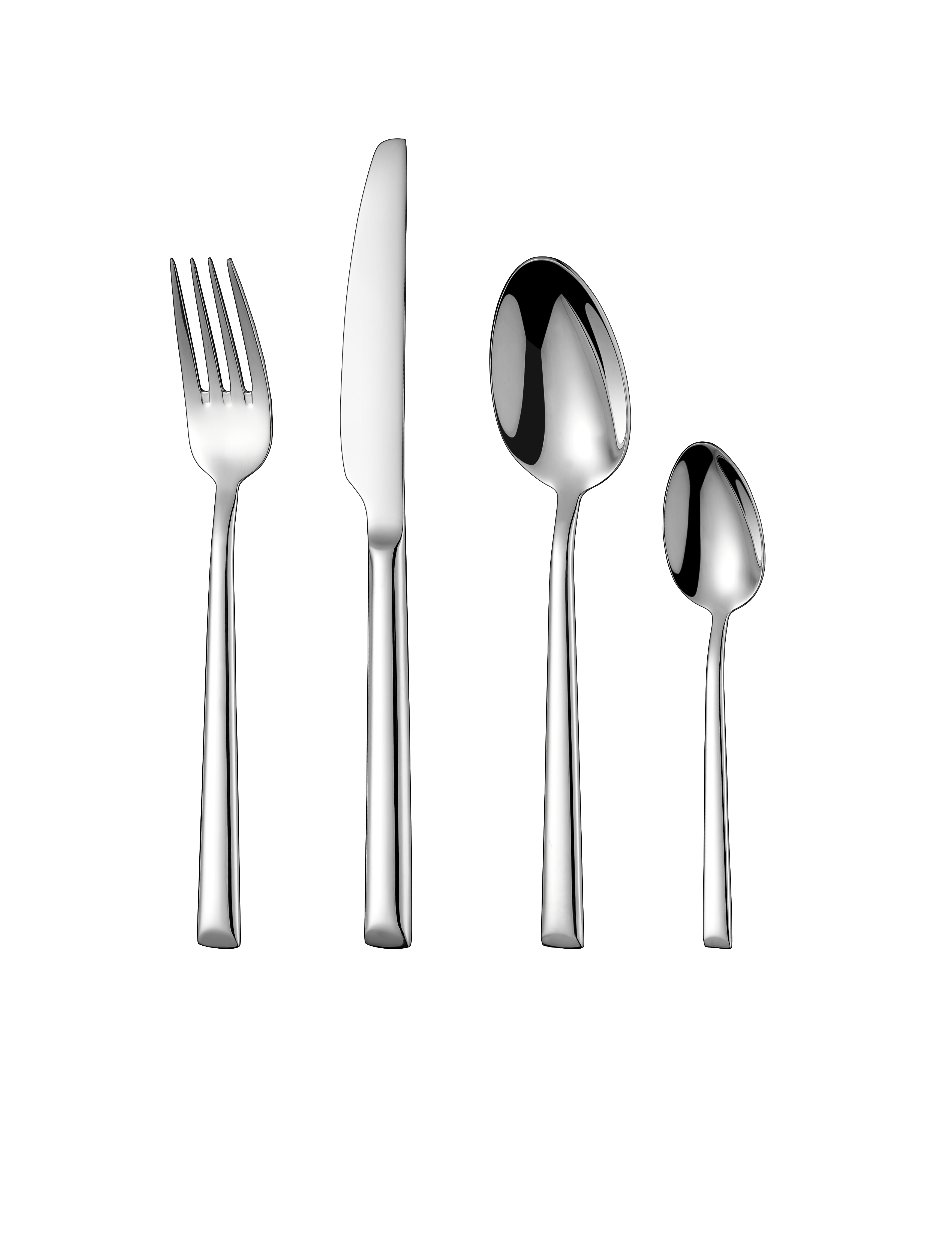
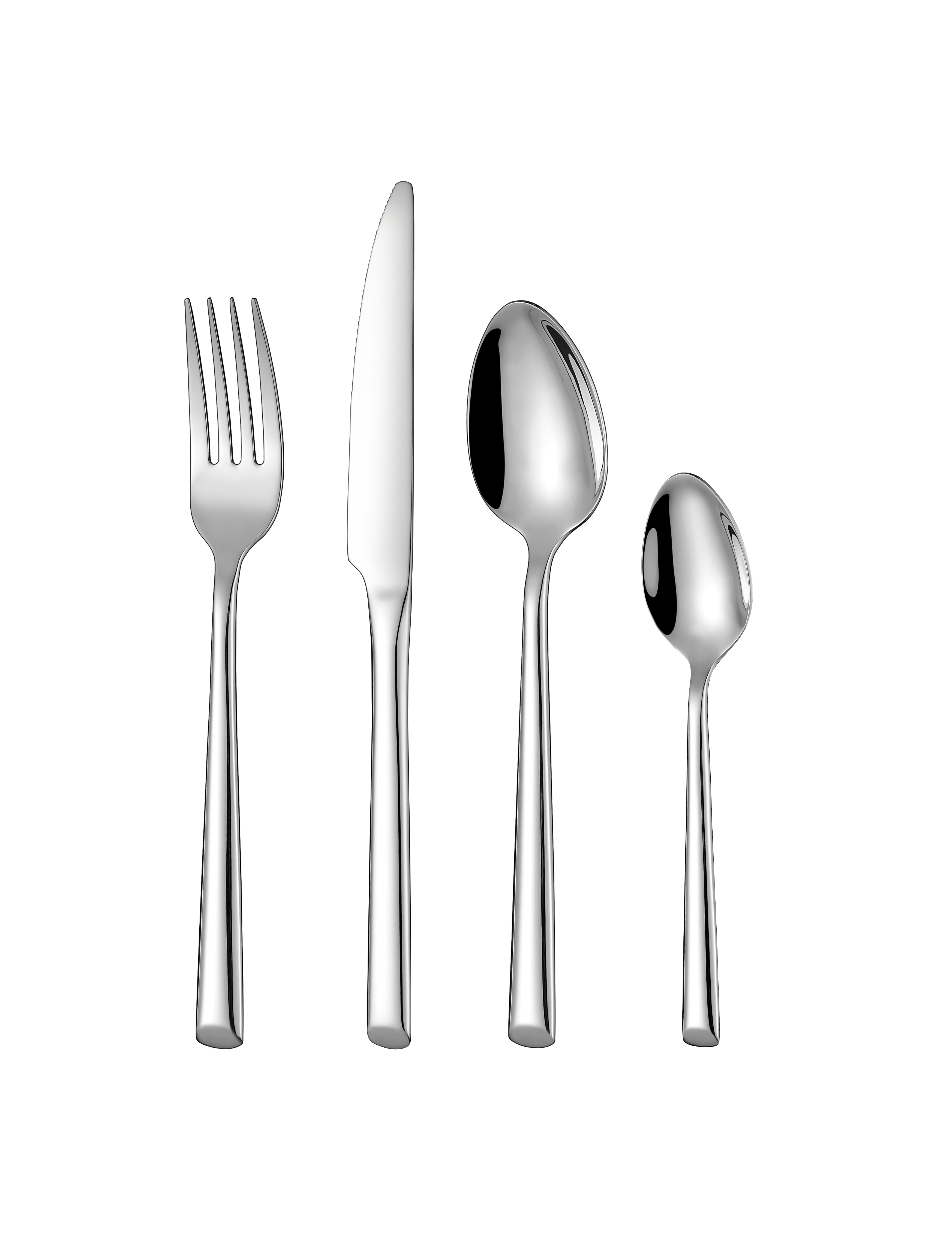
Creating LFGB compliant products requires a strategic approach from the design phase onward, integrating material science with regulatory knowledge. For cutlery manufacturers, this means selecting alloys that pass migration tests while maintaining durability and aesthetics. Our exquisite cutlery collection exemplifies this balance, crafted from high-quality stainless steel that undergoes rigorous Germany LFGB test protocols to ensure safety. Each piece, from the precisely balanced knife to the gracefully curved fork, is designed with a mirror-polished finish that not only gleams with sophistication but also resists corrosion and leaching.
To achieve LFGB compliant products, producers often collaborate with testing facilities early in development, iterating on prototypes based on preliminary results. This proactive method reduces time-to-market and costs associated with rework. In practice, compliance involves limiting the use of certain coatings or additives that could fail sensory tests, where experts evaluate off-flavors or odors. The set's ergonomically designed handles, for instance, use materials vetted for food safety, offering a comfortable grip without compromising on style. By prioritizing LFGB compliance, companies like ours transform potential regulatory hurdles into opportunities for innovation, resulting in products that elevate dining experiences while safeguarding health.
Data from industry reports shows that LFGB compliant products see a 25% increase in export success to EU countries, as they align seamlessly with harmonized standards. This certification also appeals to eco-conscious consumers, as compliant manufacturing often incorporates sustainable practices.
Demystifying the LFGB Testing Process
The LFGB testing process is methodical and multi-layered, beginning with a thorough review of product specifications. Samples are exposed to various simulants—such as acetic acid for acidic foods or ethanol for fatty ones—to mimic real-world use. Analysts then measure overall and specific migration levels using techniques like gas chromatography and mass spectrometry, ensuring results fall below permissible thresholds. For Germany food contact materials like our cutlery spoons in varying sizes, this includes checks for bisphenol A and phthalates, common concerns in plastic-handled items.
Duration-wise, the LFGB testing process can take 4-8 weeks, depending on complexity, with costs varying from €1,000 to €5,000 per product category. Positive outcomes grant a compliance declaration, valid for the product's lifecycle unless formulations change. Challenges arise with composite materials, where interactions between components must be analyzed holistically. Our collection's stainless steel construction simplifies this, passing tests with flying colors and confirming its suitability for both everyday and special occasions.
Experts recommend third-party verification to avoid biases, and many firms now use digital tools for real-time tracking of test progress. Ultimately, mastering the LFGB testing process equips manufacturers to meet German food safety regulations efficiently, fostering long-term market presence.
Germany Food Contact Materials: Key Considerations
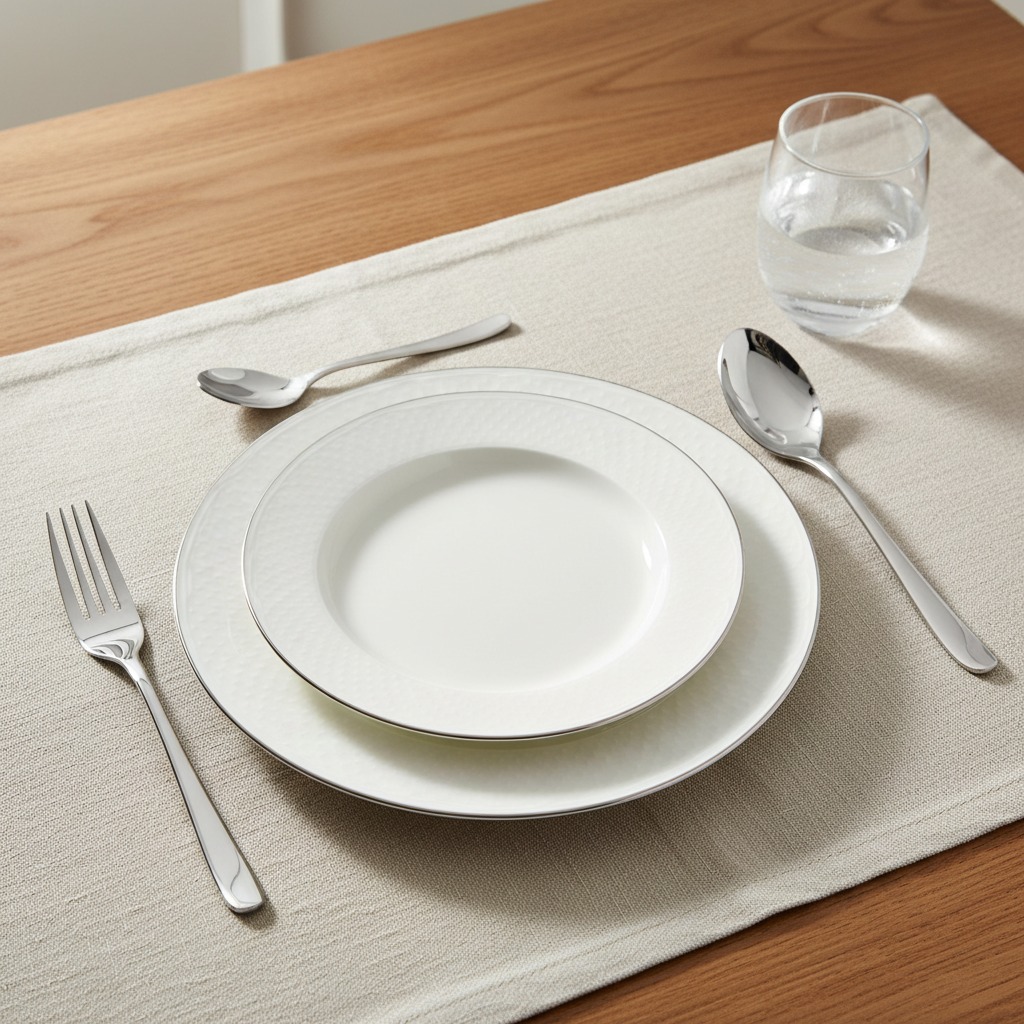
Germany food contact materials represent a critical segment where innovation meets regulation, covering everything from metals and plastics to ceramics and paper. These materials must withstand mechanical stress, temperature variations, and chemical exposures without compromising safety. In the cutlery domain, stainless steel dominates due to its inert properties, but even it requires certification to confirm low migration rates. Our collection pairs elegantly with table settings like crisp white runners, enhancing meals without introducing risks.
Regulatory oversight ensures that Germany food contact materials evolve with scientific insights; for example, limits on formaldehyde in resins were tightened in recent years. Importers should note that while EU-wide rules apply, Germany's LFGB adds national layers, including mandatory notifications for novel materials. Sustainability is increasingly intertwined, with preferences for recyclable options that still achieve LFGB certification. By focusing on these elements, producers create durable, stylish items that transform ordinary dining into luxurious events, all while upholding the highest safety standards.
In summary, the Germany LFGB test, alongside LFGB certification and German food safety regulations, forms an unbreakable shield for consumer protection. For products like our cutlery collection—blending functionality with timeless design—compliance is key to global success. As markets tighten, investing in LFGB compliant products and a streamlined LFGB testing process ensures not just legality, but excellence in every bite.