
Understanding the Cutlery Manufacturing Process: From Raw Materials to Tabletop Elegance
The cutlery manufacturing process is a fascinating blend of artistry and precision engineering that transforms simple metals into essential dining tools. At its core, this process involves selecting high-quality materials, shaping them through advanced techniques, and finishing them to meet both aesthetic and functional standards. For those interested in the behind-the-scenes world of kitchenware, understanding how cutlery is made can deepen appreciation for everyday items like forks, knives, and spoons. This article explores the steps involved, highlighting key innovations that keep the industry evolving.
Selecting Materials: The Foundation of Quality Cutlery
In the initial stages of the cutlery manufacturing process, raw materials are carefully chosen to ensure durability and performance. Stainless steel remains the gold standard due to its resistance to corrosion and ease of maintenance, but advancements have introduced alloys with enhanced properties, such as higher tensile strength or antimicrobial coatings. Manufacturers evaluate factors like composition—typically 18% chromium and 8% nickel for type 304 stainless steel—and source from certified suppliers to guarantee consistency.
The selection isn't just about metal; it's about sustainability too. Modern facilities prioritize recycled materials to reduce environmental impact, aligning with global standards for eco-friendly production. For instance, some processes now incorporate up to 60% recycled stainless steel without compromising quality. This step sets the tone for the entire cutlery manufacturing process, as inferior materials lead to products that tarnish or bend under use. By starting with premium inputs, producers lay the groundwork for cutlery that withstands daily rigors while maintaining a polished appearance.
Once materials arrive, they undergo rigorous testing. Samples are subjected to hardness tests, such as the Rockwell scale, to measure resistance to deformation. This ensures that the final product can handle cutting through tough foods without dulling. In an industry where reliability is paramount, this meticulous selection phase prevents costly defects downstream, contributing to the overall efficiency of the cutlery manufacturing process.
Forming and Shaping: Precision in Every Cut
After material selection, the cutlery manufacturing process moves to forming, where raw sheets or bars of metal are transformed into recognizable shapes. Traditional methods like forging involve heating metal to 1,200 degrees Celsius and hammering it into blanks using massive presses. This technique, still used for high-end pieces, creates a dense structure that enhances strength and allows for intricate designs.
However, progress in cutlery technology has revolutionized this phase with computer numerical control (CNC) machines and automated stamping. These innovations allow for precise cutting and bending, reducing waste by up to 30% compared to manual methods. For knives, blades are often laser-cut for unparalleled accuracy, ensuring edges that are sharp yet safe. Spoons and forks undergo deep drawing, where metal is pulled into molds under hydraulic pressure, forming the bowl or tines with minimal seams.
This stage also incorporates ergonomic considerations. Designers use 3D modeling software to simulate grip and balance, ensuring that each piece feels natural in hand. In the context of cutlery industry developments, the shift toward modular tooling means manufacturers can quickly adapt to new designs, shortening production cycles from weeks to days. Heat treatment follows forming, where pieces are quenched and tempered to achieve optimal hardness—around 52 HRC for knife blades—balancing sharpness with flexibility to prevent breakage.
Quality control is embedded here, with vision systems inspecting for imperfections like burrs or inconsistencies. Any flaws are corrected immediately, upholding the standards that make cutlery reliable for both home and professional use. These advancements in shaping not only improve efficiency but also enable the creation of lighter, more comfortable utensils without sacrificing robustness.
Finishing Touches: Polishing and Assembly for Aesthetic Appeal
The final phase of the cutlery manufacturing process focuses on finishing, where raw forms are refined into gleaming tableware. Polishing is key, often done through tumbling in media like walnut shells or ceramic beads to smooth surfaces without scratching. For a mirror finish, electrolytic polishing applies a current to deposit a thin chrome layer, enhancing corrosion resistance and shine.
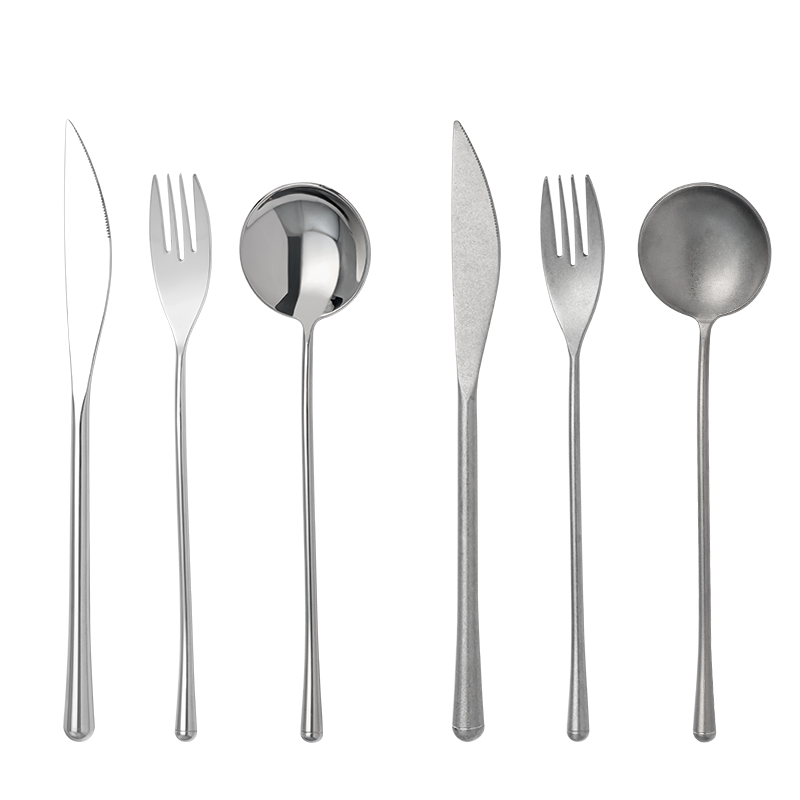
Cutlery design innovations have introduced varied finishes, from matte brushed to hammered textures, catering to diverse tastes. Handles, if not integral, are attached using riveting or welding, with materials like resin or wood for added comfort. In sets, pieces are matched for uniformity, ensuring a cohesive look. This step is where functionality meets elegance; for example, ergonomic curves are refined to fit the hand perfectly, reducing fatigue during meals.
Progress in cutlery technology shines here with nanotechnology coatings that repel fingerprints and bacteria, extending the lifespan of the finish. Assembly lines now use robotics for precision, applying adhesives or fasteners with micron-level accuracy. Post-finishing, each item undergoes passivation—a chemical bath to remove free iron—further boosting rust resistance. These developments in the cutlery industry reflect a commitment to hygiene and longevity, especially post-pandemic.
Testing simulates real-world use: pieces are dropped, washed in dishwashers, and exposed to acidic foods to verify performance. Only those passing these trials proceed to packaging, ready for distribution. This comprehensive finishing ensures that cutlery not only looks stunning but performs flawlessly over years.
Innovations Driving the Cutlery Industry Forward
Cutlery industry developments are accelerating, with smart manufacturing integrating IoT sensors to monitor production in real-time. This allows predictive maintenance, minimizing downtime and ensuring consistent quality throughout the cutlery manufacturing process. Sustainability efforts include waterless polishing and energy-efficient furnaces, reducing the carbon footprint by 25% in leading factories.
Cutlery design innovations are pushing boundaries, incorporating biodegradable handles from plant-based composites or modular blades that users can replace. 3D printing prototypes speeds up R&D, enabling custom designs for niche markets like left-handed users. These trends respond to consumer demands for personalization and ethics, transforming cutlery from mere tools to statement pieces.
Looking ahead, AI-driven quality assurance could eliminate human error entirely, while biodegradable alternatives challenge stainless steel's dominance. Yet, the core cutlery manufacturing process remains a testament to human ingenuity, blending tradition with technology to deliver products that enhance daily life.
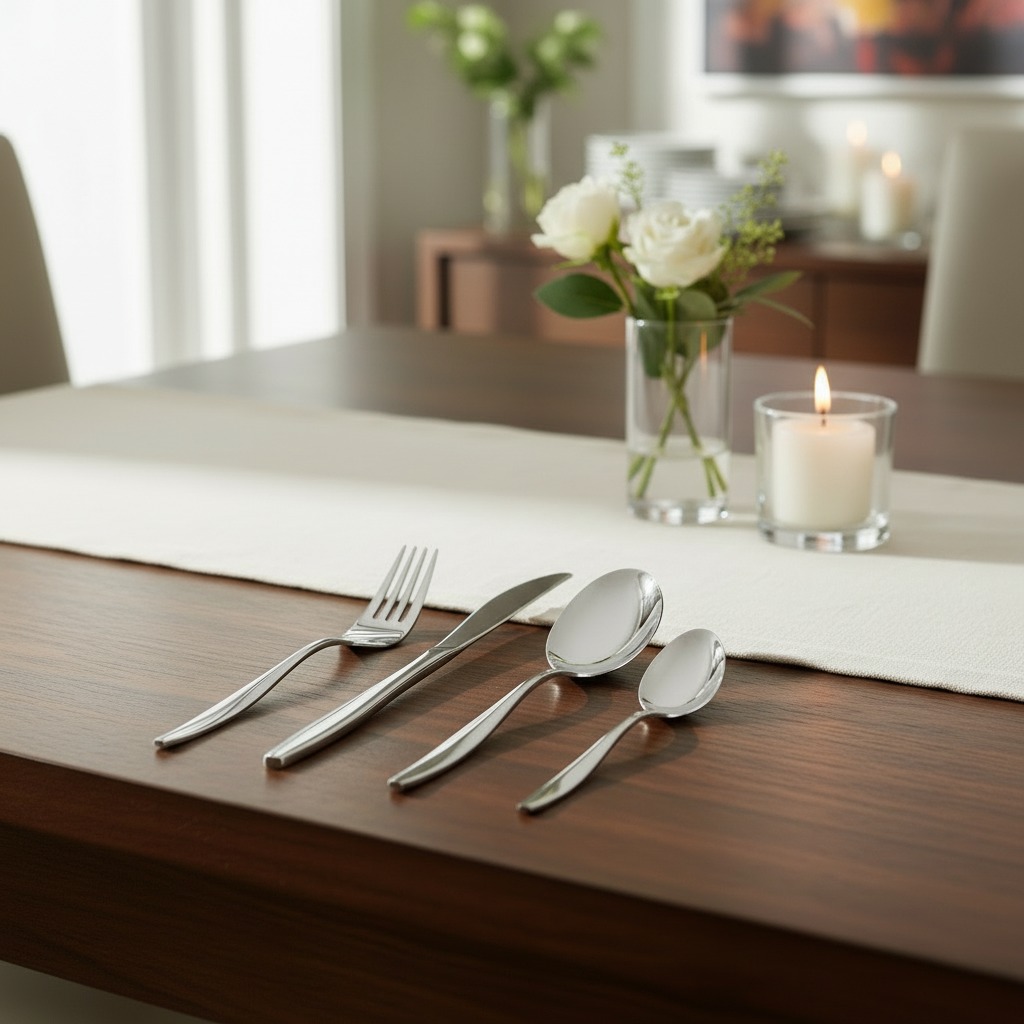
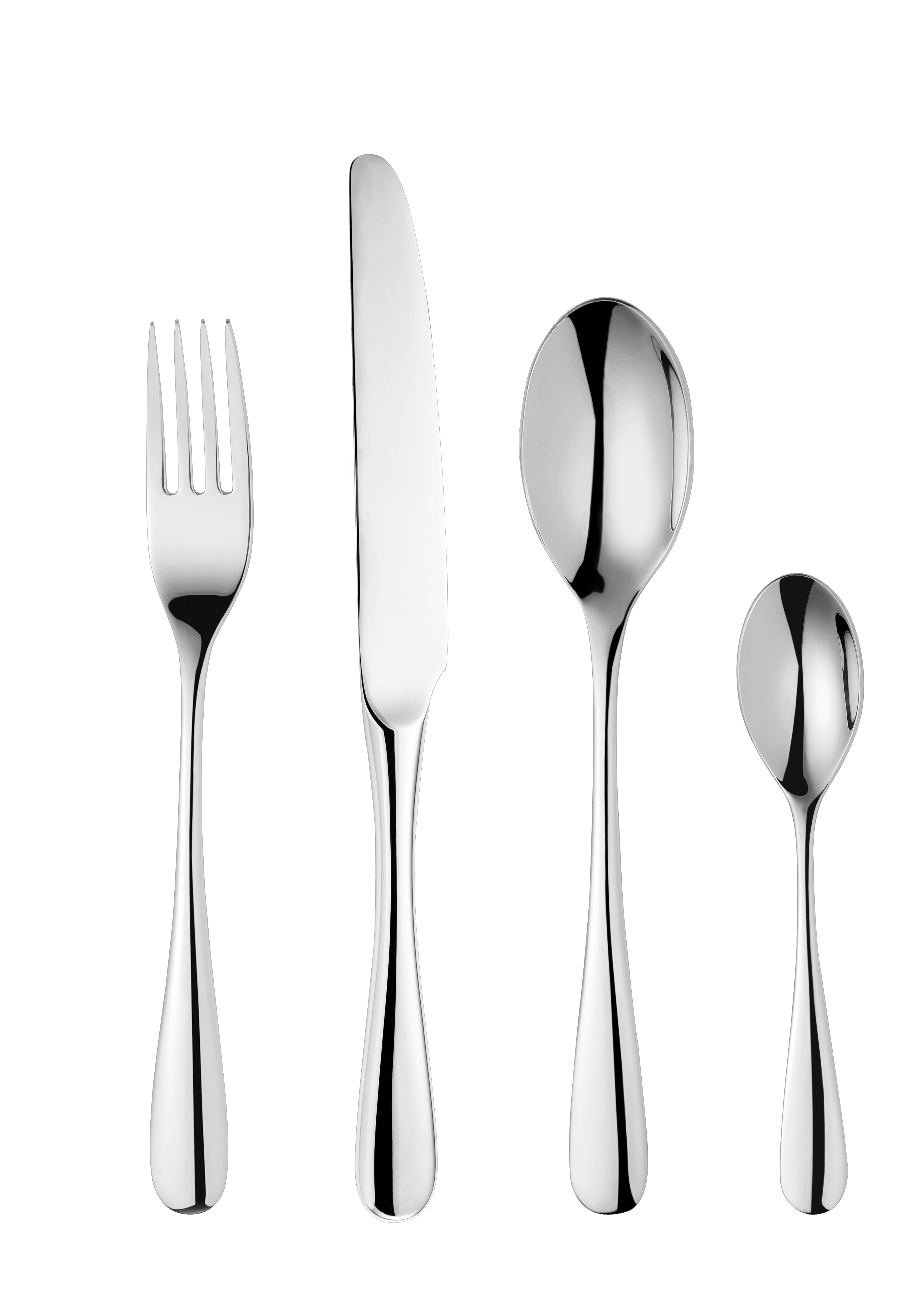
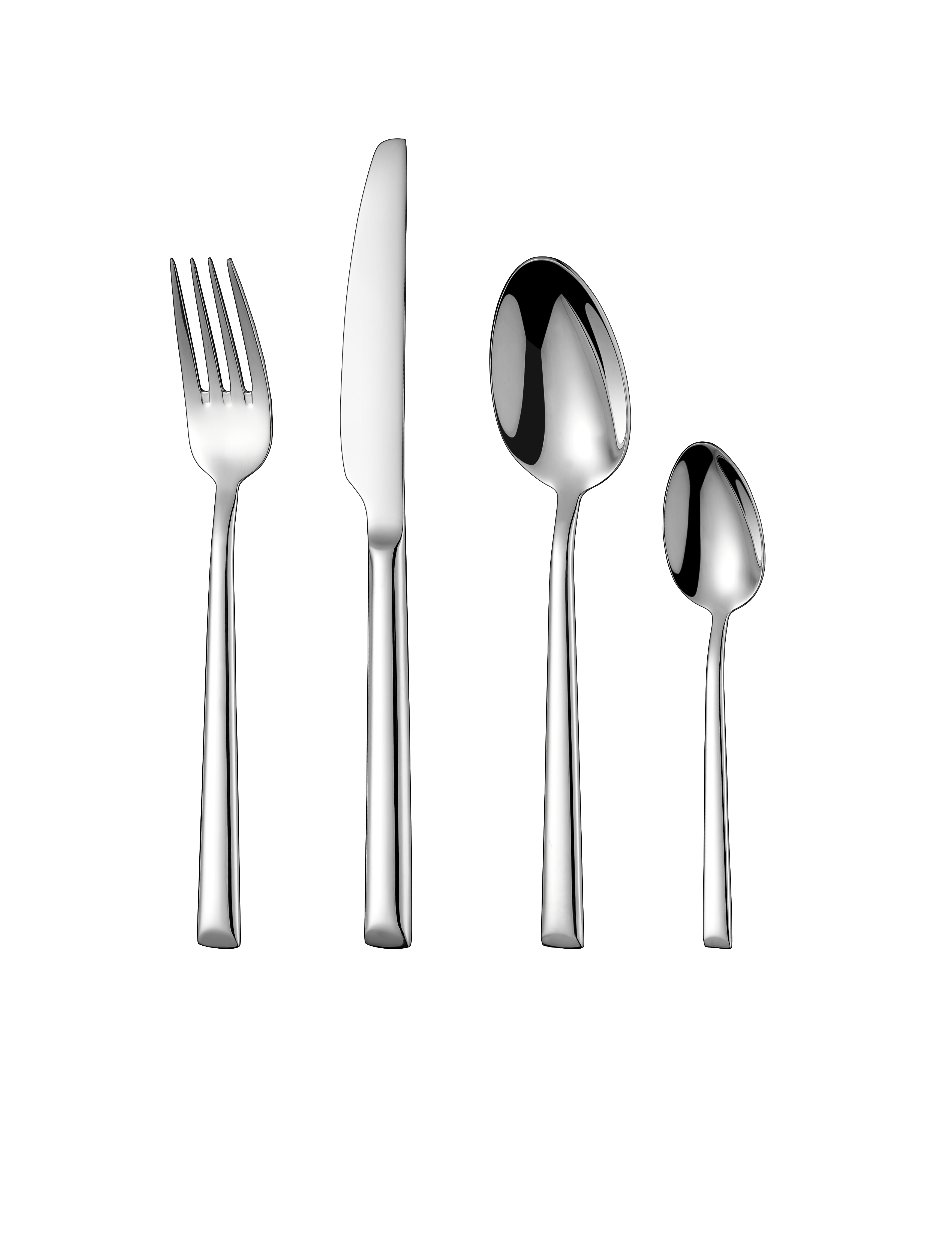
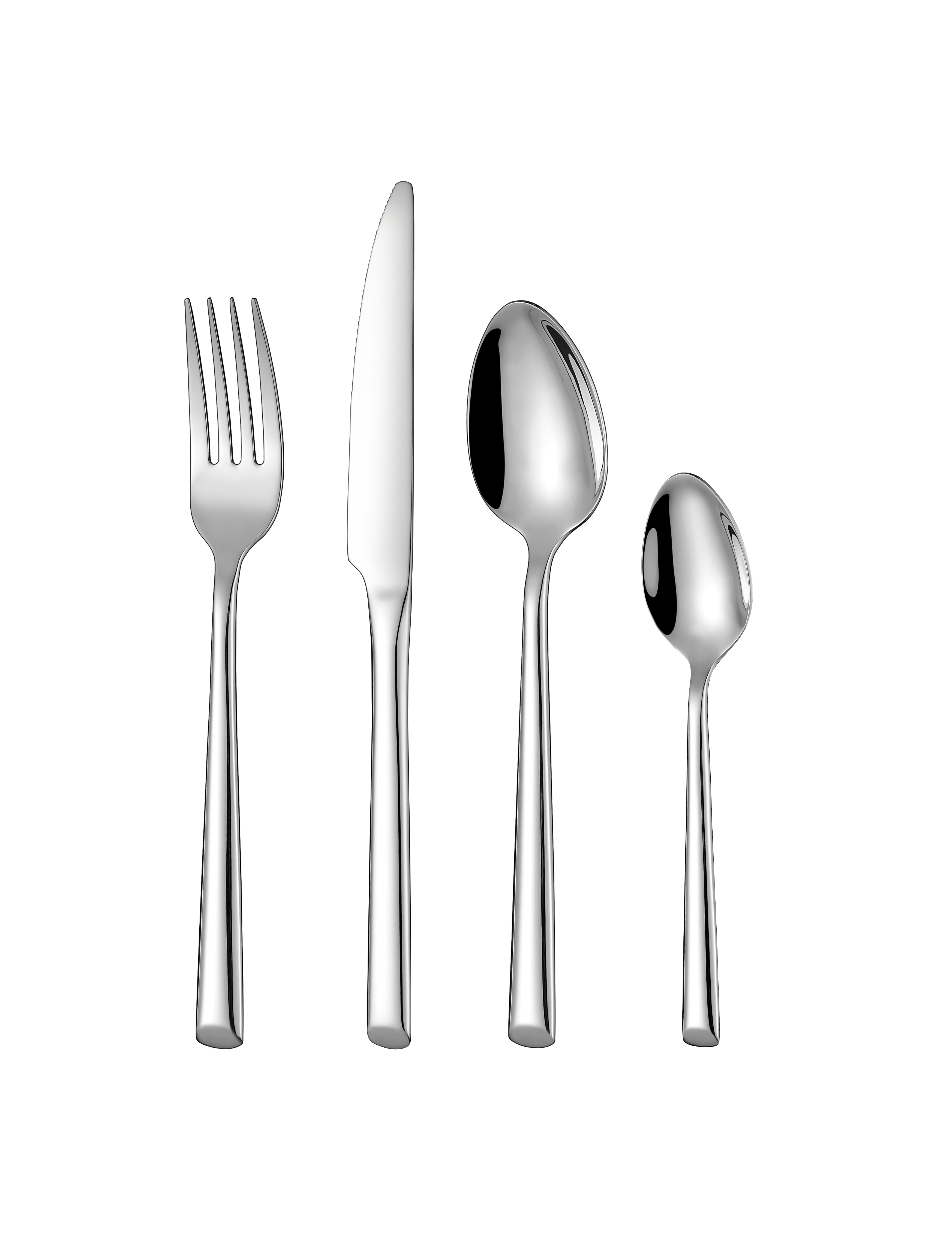
In summary, the cutlery manufacturing process is a symphony of precision and innovation, evolving to meet modern needs. From material selection to final polish, each step contributes to creating durable, beautiful utensils. As the industry advances, it promises even more exciting developments, ensuring that our tables are set with the best of craftsmanship. For those seeking excellence, consider how these processes culminate in superior products like our exquisite stainless steel cutlery set, designed to elevate your dining experience with its blend of elegance and functionality. Crafted with precision, this set includes a fork, knife, tablespoon, and teaspoon, each with a sleek, ergonomic design that ensures comfort and style. The mirror-polished finish not only adds a touch of sophistication but also enhances durability, making these pieces resistant to tarnish and corrosion. Ideal for both everyday use and special occasions, this cutlery set promises to stand the test of time, bringing a touch of luxury to your table with every meal. Perfectly balanced, each piece provides a refined tactile experience, making dining both effortless and delightful. Transform your table setting with this timeless collection, crafted to impress and designed to last.
(Word count: 1,024)